






A massive shift has happened.
The most disruptive, wildly profitable games of the last decade are big social games that broke their genre expectations. By taking genres that historically alienated casual players like survival horror, brutal sci-fi space sims, or punishing strategy mechanics, and then injecting raw social interaction, developers have unlocked massive global audiences.
1. The Sci-Fi Space-Sim Defier: Among Us
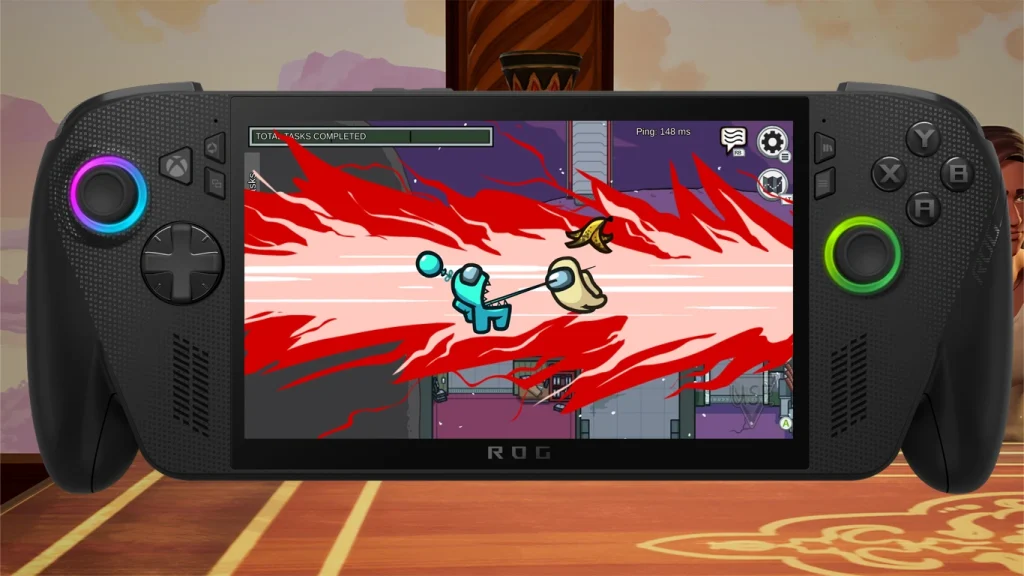
- The Traditional Expectation: Space-station management games are highly technical, mechanically exhausting, and built for a niche, hardcore audience.
- How it Broke the Mold: InnerSloth scrapped the complex mechanics and focused purely on human deception. They kept the simple “space maintenance chores” as a clever backdrop, but turned the real focus into open social manipulation, completely removing traditional combat.
The Backup Data: Hit 908.6 million lifetime mobile downloads (AppMagic) and recorded over 278 million monthly active users at its cultural peak during pandemic times, making it one of the most accessible and heavily played social spaces in digital history.
2. The Survival Horror Defier: Lethal Company
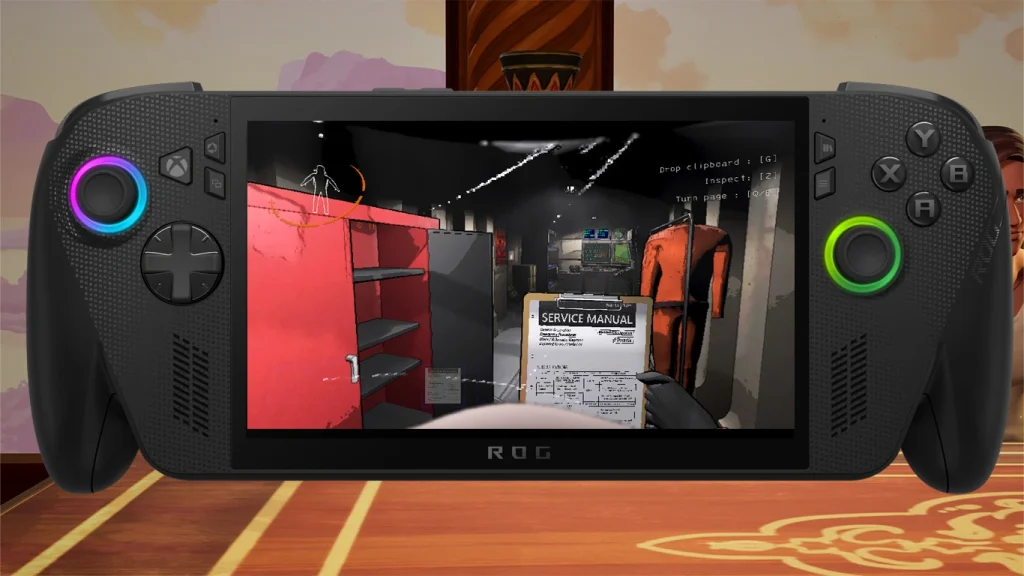
- The Traditional Expectation: True survival horror requires isolation. Adding friends usually ruins the tension and turns the game into a generic action shooter.
- How it Broke the Mold: Solo developer Zeekerss created an atmospheric horror game, but wrapped it in a hilarious, soul-crushing “corporate quota” system. By utilizing proximity voice chat as a core gameplay mechanic, players experience a cycle of terrifying jump-scares and absolute comedic chaos.
The Backup Data: A massive indie triumph, selling over 18.4 million units on Steam and generating more than $145 million in premium revenue off a shoestring budget.
3. The Military Extraction Shooter Defier: Helldivers 2
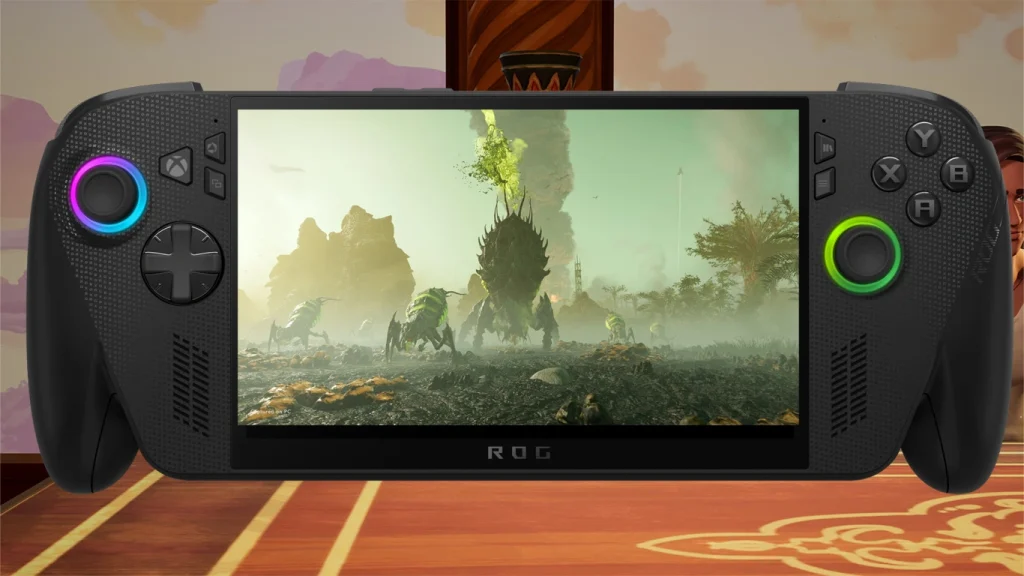
- The Traditional Expectation: Modern shooters must be ultra-competitive, gritty Battle Royales or tactical PvP (Player vs. Player) sweat-fests that alienate casual friends.
- How it Broke the Mold: Arrowhead Game Studios flipped the script by creating a massive, satirical, strictly cooperative PvE (Player vs. Environment) war. Instead of fighting each other, the entire global community fights a synchronized, live-narrated galactic war together.
The Backup Data: Blew past expectations to cross 20 million lifetime copies sold globally within two years of launch, generating over $700 million in gross revenue on Steam and PlayStation.
4. The Horror Investigation Defier: Phasmophobia
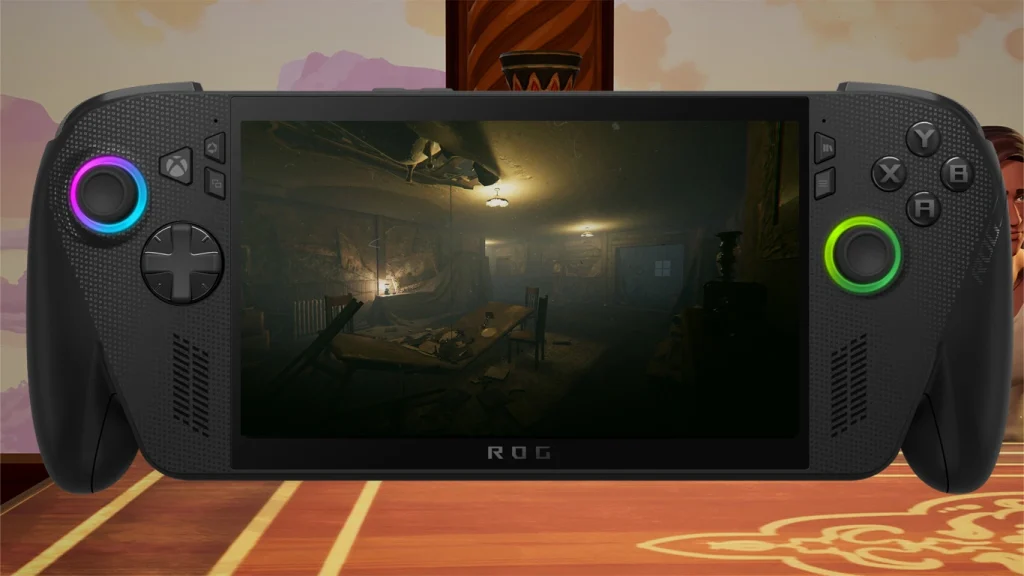
- The Traditional Expectation: Ghost-hunting and psychological horror games are narrative-driven, single-player experiences designed to make you the victim.
- How it Broke the Mold: Kinetic Games turned paranormal investigation into a structured, analytical gig-economy job for up to four players. Armed with thermometers and EMF readers, players talk directly to the ghost using real-world voice recognition, shifting horror from jump-scares to cooperative puzzle-solving.
The Backup Data: Boasts an “Overwhelmingly Positive” rating with over 570,000 Steam reviews, maintaining a spot in the top tier of Steam’s most highly engaged multiplayer titles with over 10 million copies sold.
5. The Content Creation Defier: Content Warning
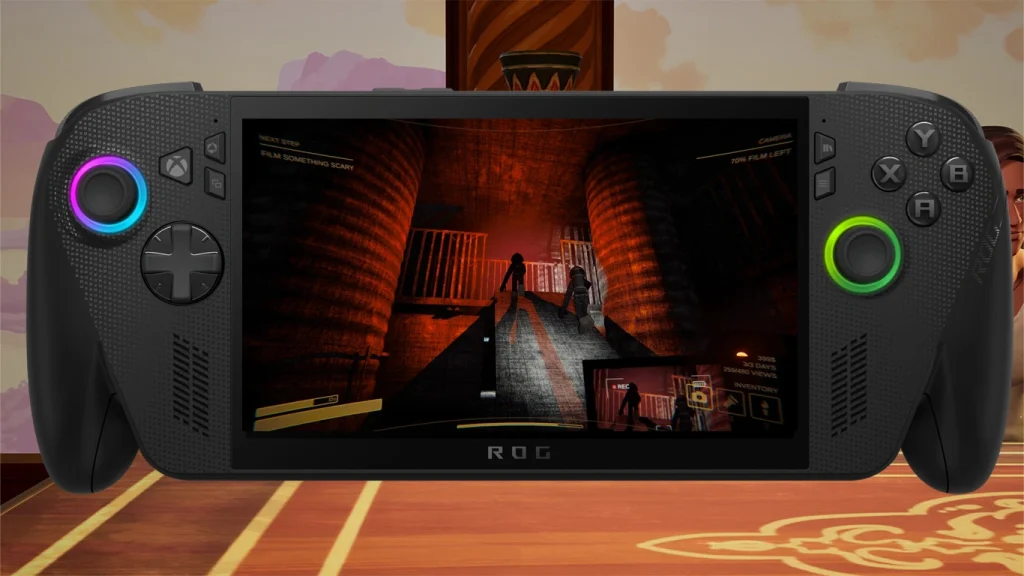
- The Traditional Expectation: Cooperative horror games require players to escape a monster or defeat an evil entity.
- How it Broke the Mold: Landfall Games realized that modern gamers love internet fame. They kept the scary monsters but changed the goal: players must record scary videos with a handheld camera, survive, and upload them to “SpookTube” to go viral. The gameplay loop forces you to put yourself in danger just to get a funnier clip.
The Backup Data: Used a 24-hour “free-to-own” launch gimmick that pulled in 6.2 million players in a single day, quickly parlaying that viral awareness into 2.2 million paid copies sold within its first two months.
6. The Precision Platformer Defier: Chained Together
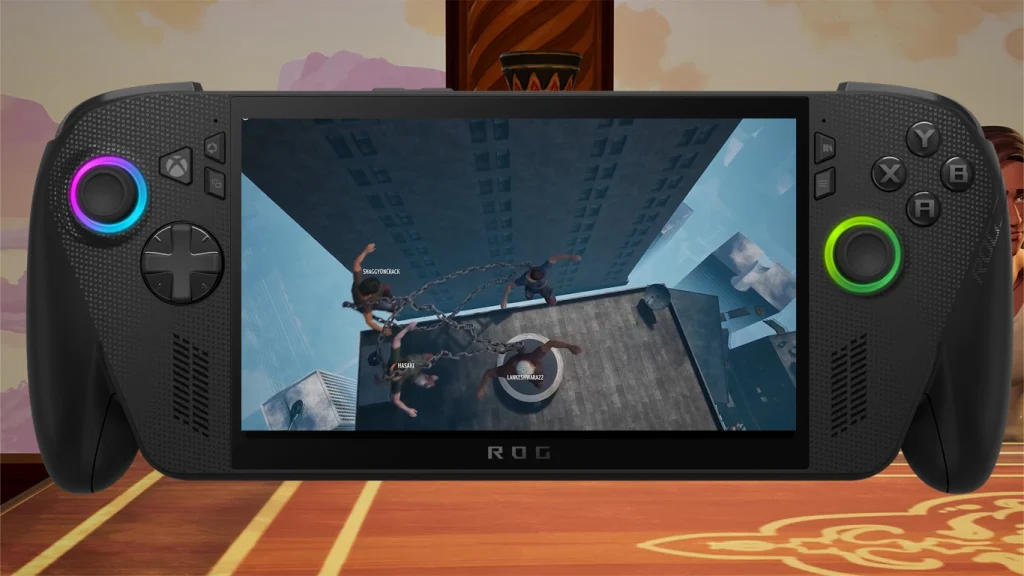
- The Traditional Expectation: High-altitude rage platformers (like Only Up! or Getting Over It) are strictly solitary, frustrating tests of individual execution.
- How it Broke the Mold: Anegar Games took the punishing vertical platformer and physically chained up to four players together with real-time physics. A single mistake by one friend drags the entire group down the mountain, turning physics frustration into an exercises in communication, trust, and shared panic.
The Backup Data: This unique social premise became a viral sensation for streamers, rocketing the indie title to over 12.9 million units sold on Steam.
7. The Deep-Sea Sandbox Defier: Sea of Thieves
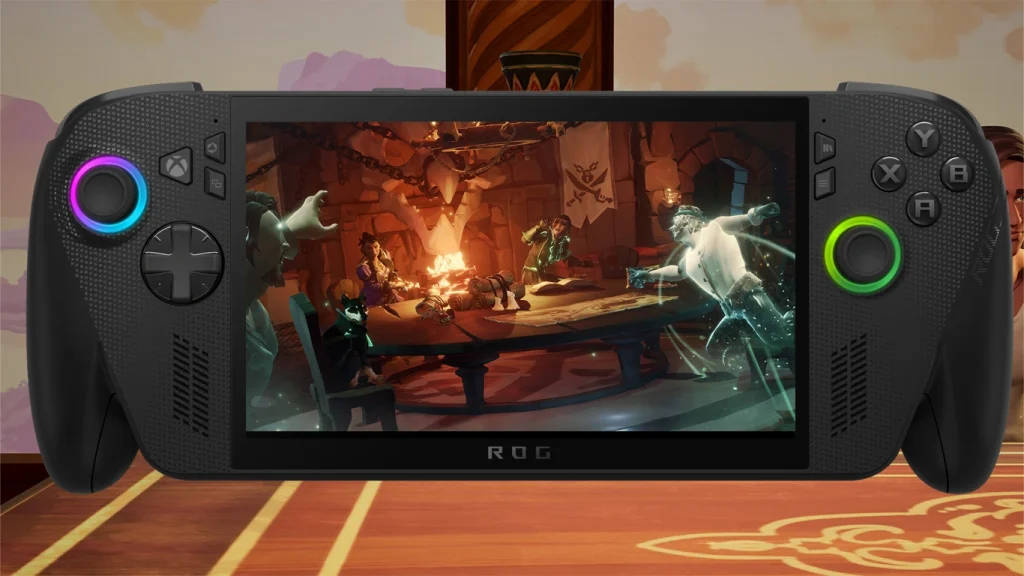
- The Traditional Expectation: Open-world pirate or sailing games require constant menu-driven stat upgrades, vertical gear progression, and strictly structured quest lines.
- How it Broke the Mold: Rare built a massive sea-sandbox with zero statistical power progression. A player on Day 1 has the exact same sword and ship strength as a player with 1,000 hours. The game forces organic social coordination, one person handles the map, one steers, and two manage the sails and cannons.
The Backup Data: By stripping away the traditional MMO gear grind and focusing entirely on social stories, it crossed a milestone of over 30 million unique lifetime players across Xbox and PC.
Why Genre-Defying Games Win?
When we look across all 7 of these multi-million dollar giants, they all rely on a very clear, repeatable framework:
| The Secret Sauce | Traditional Rule | The New Social Rule |
| Mechanical Friction | Complex control layouts, high skill caps. | Low Floor, Infinite Ceiling: Simple to control, but human behavior provides the infinite complexity. |
| Audio as Gameplay | Background music to set an artificial mood. | Integrated Voice: Using proximity chat or voice recognition so players alter the game state with their literal voices. |
| Progression Design | Grinding for higher numbers, better armor, and stats. | Social Currency: The progression isn’t a digital sword; it’s the hilarious unscripted clip, the shared victory, or the funny memory. |
Audiences don’t buy genres anymore; they buy experiences.
If you are looking to design, market, or highlight successful digital products, stop looking at what a genre used to do. Look at the raw human psychology holding the group together, scrape away the unnecessary fluff, and let the players become the entertainment.
Question for you:
What was the games that impress you more? What other aspects make a game win in this era of social games?

Games Rooted in Culture
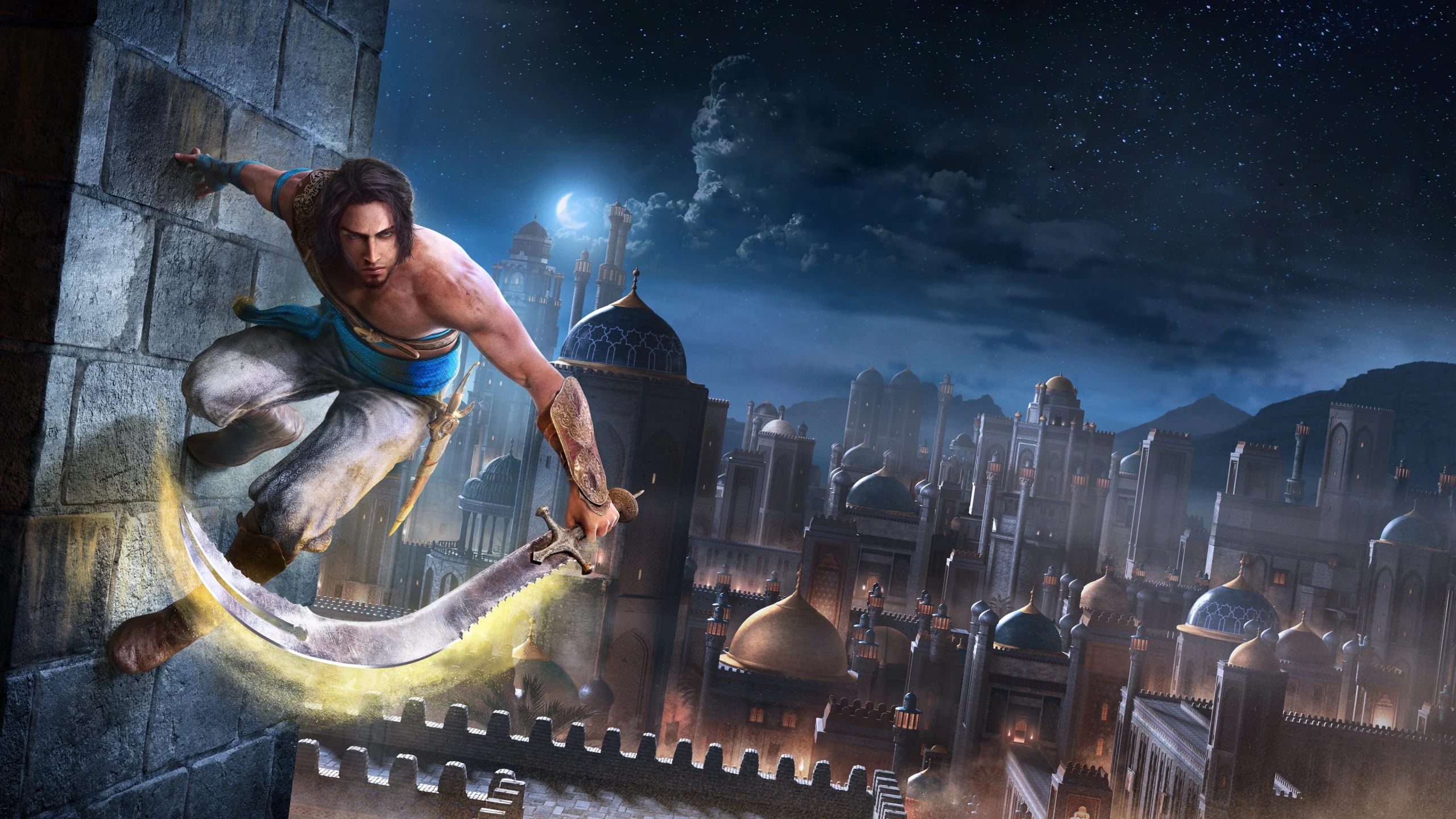
Several massive hits have shattered sales records by leaning wholeheartedly into their cultural heritage. For our studio, it provided inspiration to create our own game that represents a culture. Digitizing a traditional game and ritual is a challenge we hope to be the next success story.Prince of Persia (Persian Mythology & Storytelling)
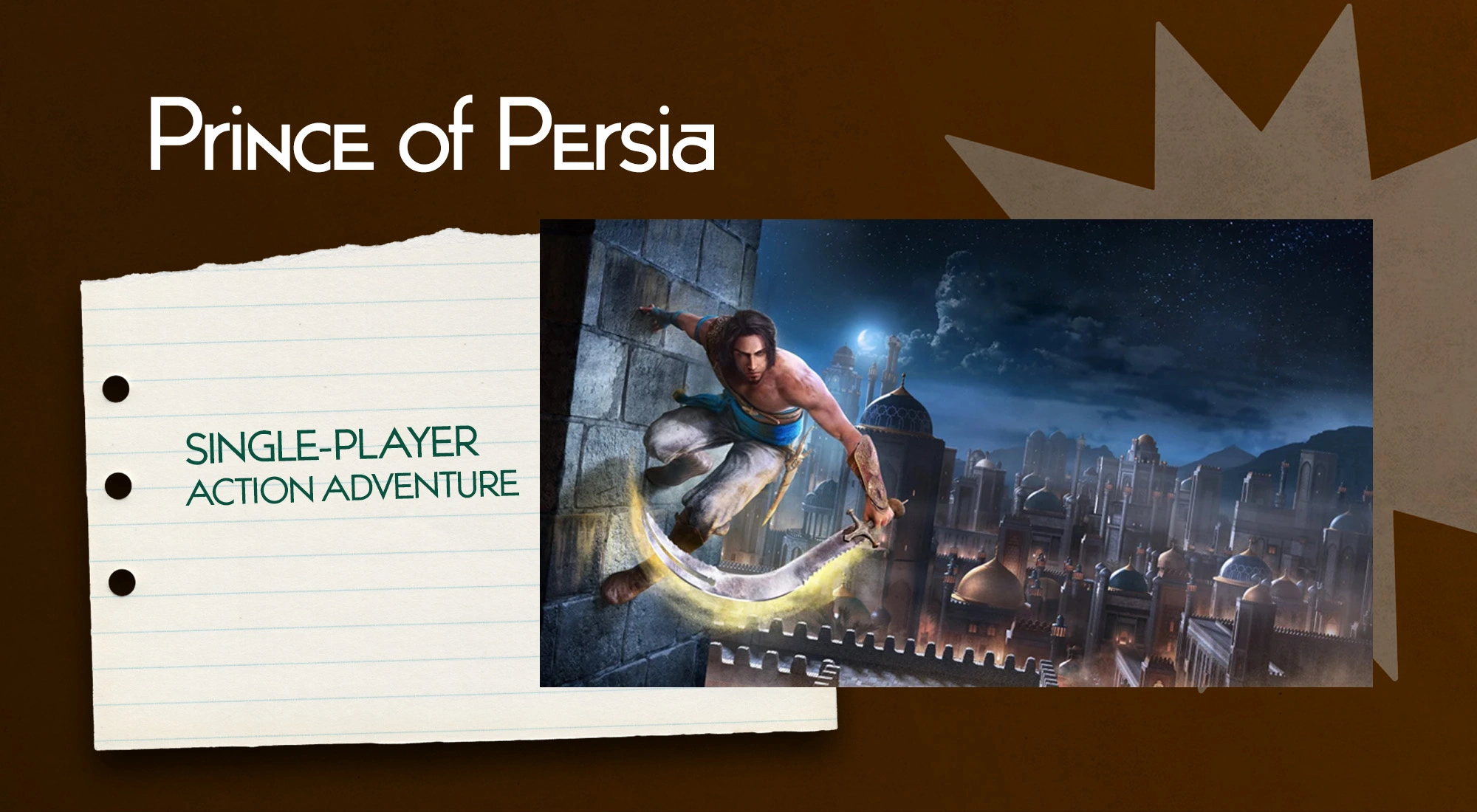 Long before games began celebrating regional identities, Prince of Persia introduced millions of players to a world inspired by Persian folklore, architecture, and legends. From the earliest 1989 title onward, the series blended Persian aesthetics, One Thousand and One Nights influences, and themes of destiny and honor into a defined identity that set it apart from Western fantasy.For many players around the world, Prince of Persia became their first encounter with Middle Eastern-inspired stories, proving that regional myths could create timeless adventures.
Grim Fandango (Mexican Culture & Día de los Muertos)
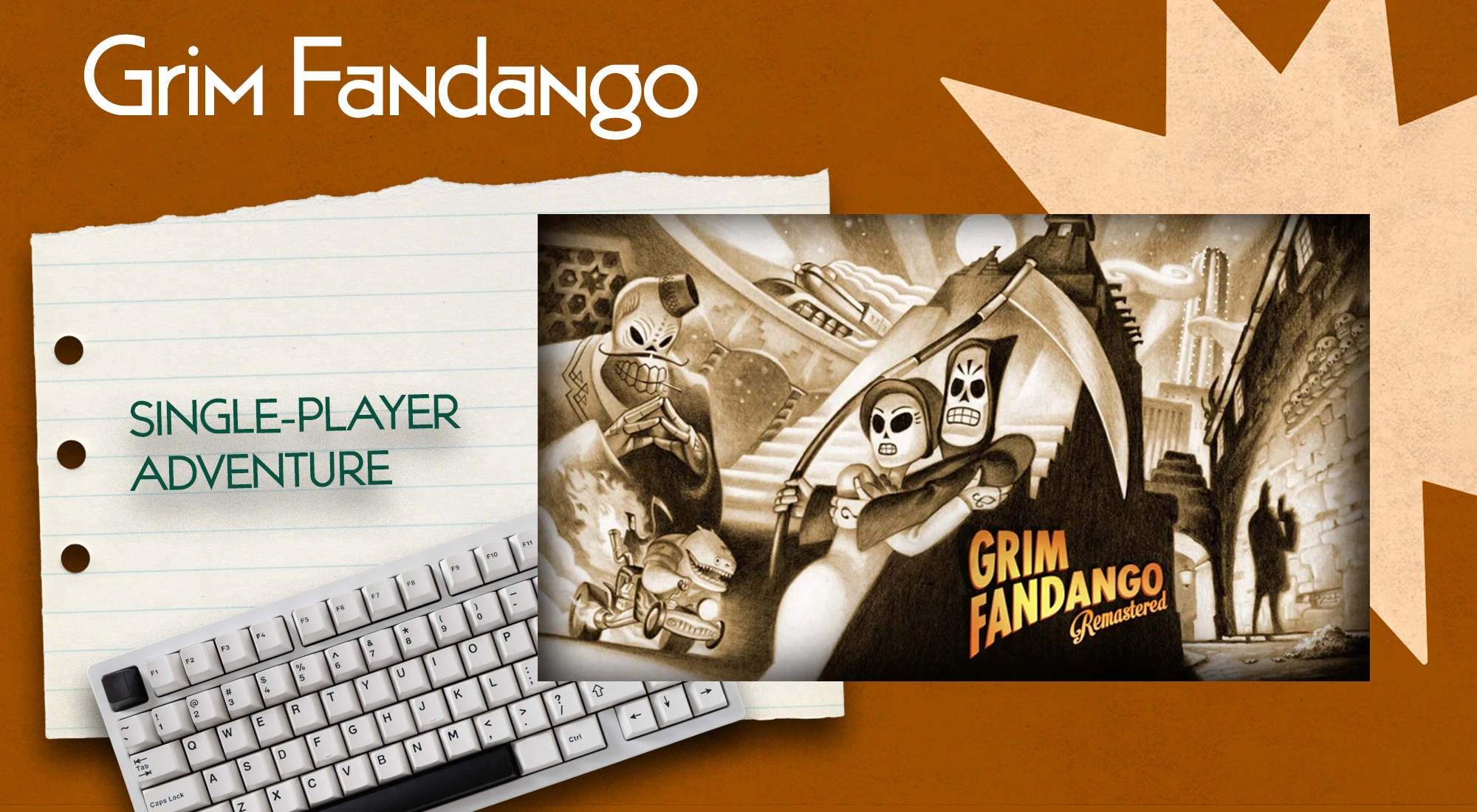 Released in 1998 by LucasArts, Grim Fandango remains one of the most celebrated adventure games ever created. Inspired by Mexican traditions surrounding Día de los Muertos, the game combines film noir storytelling accompanied by colorful skeletal characters and imagery drawn directly from Mexican folk art.Its distinctive atmosphere demonstrated how cultural traditions were capable of shaping not only visuals, but also humor, music, and storytelling. Decades later, it remains a model for narrative-driven games.
Assassin’s Creed (Historical Cultures Around the World)
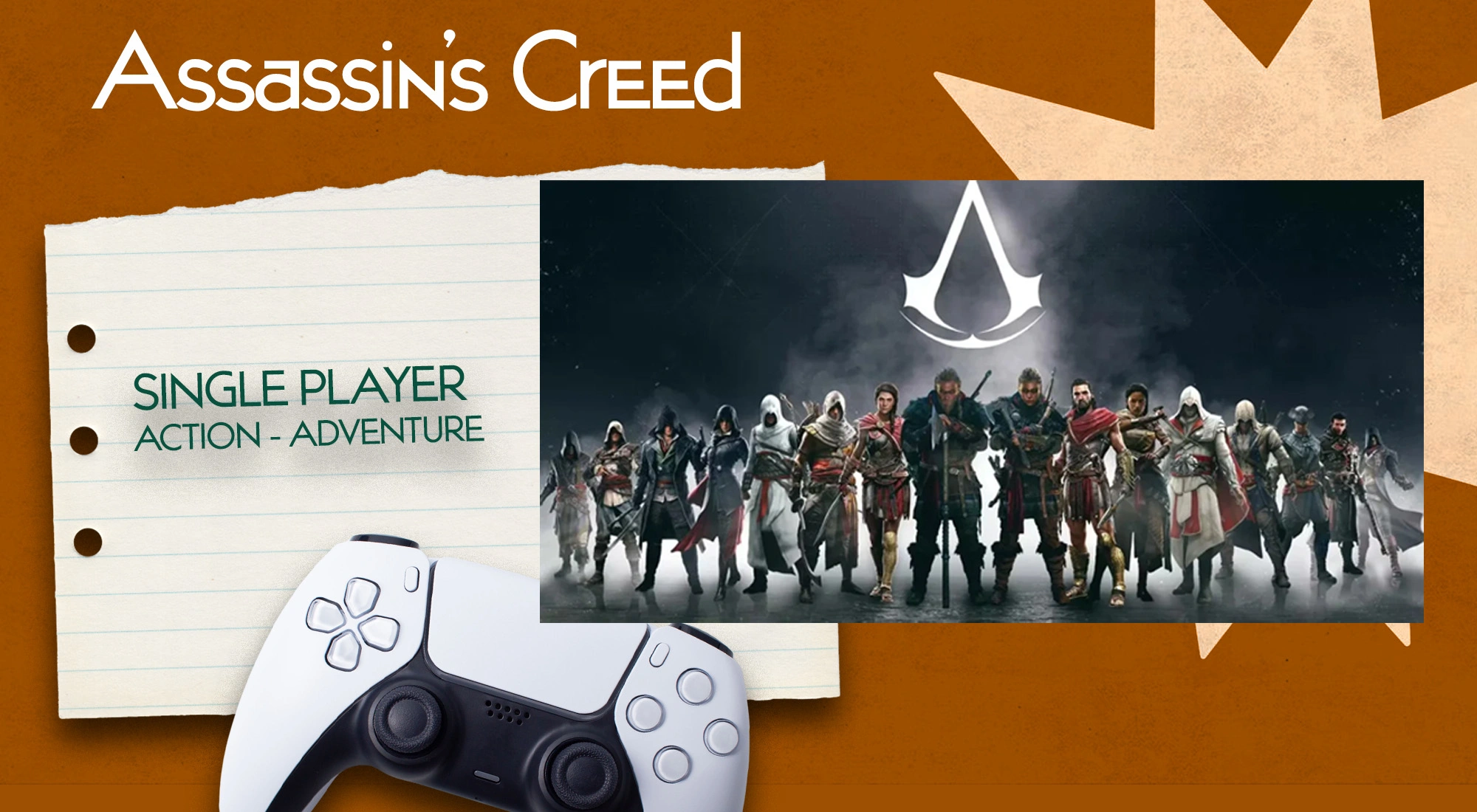 Few franchises have embraced world cultures as successfully as Assassin’s Creed. From Renaissance Italy and Ancient Egypt to Viking England and Feudal Japan, each entry attempts to reconstruct real societies, architecture, and customs with remarkable attention to detail.The series has even been used in classrooms through Discovery Tour modes, letting players to explore historical civilizations beyond combat and adventure. It proved that history itself could become an engaging playground.
Mahjong Soul (East Asian Tradition & Social Games)
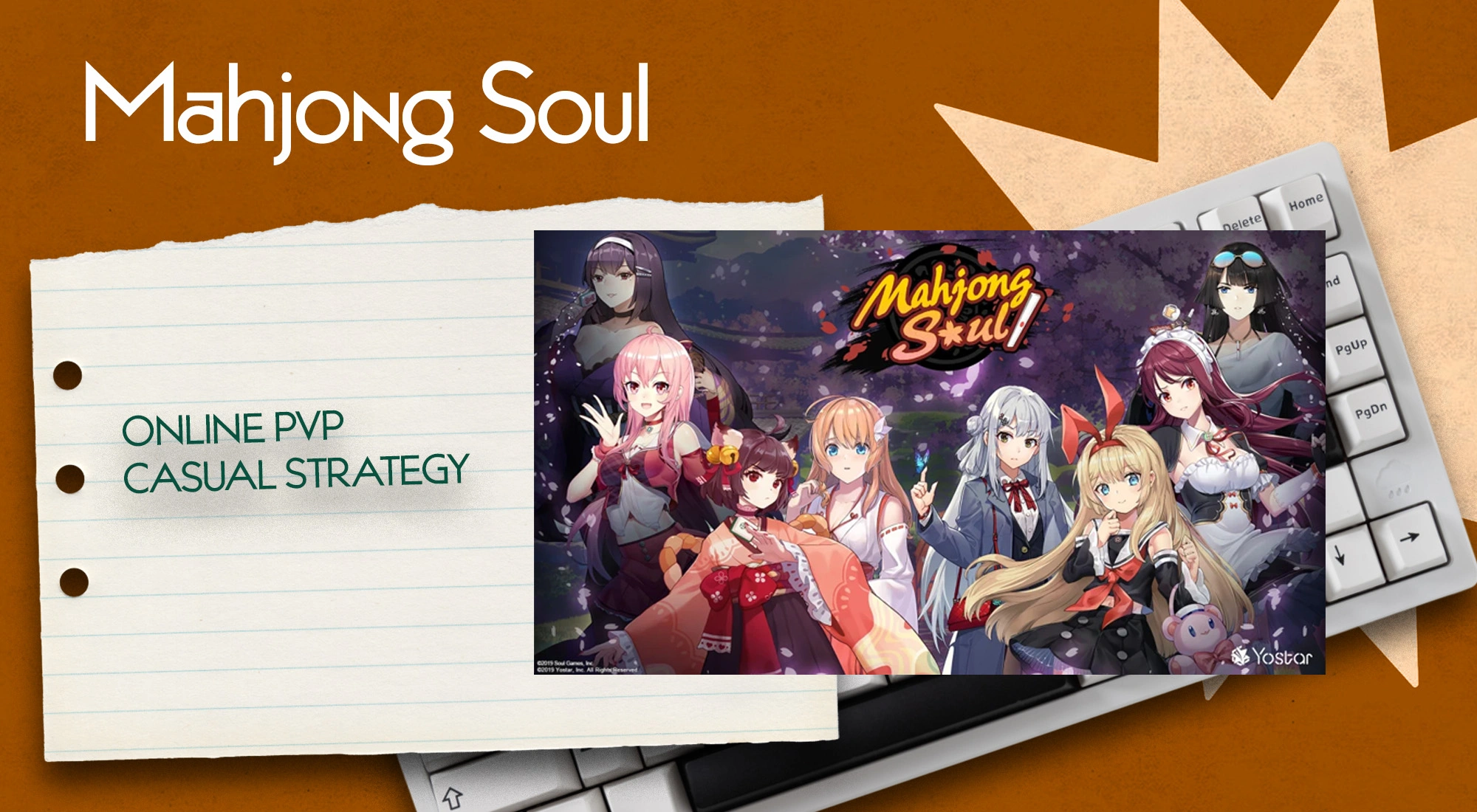 While many games borrow from mythology, Mahjong Soul succeeds by modernizing one of East Asia’s oldest and most beloved games. Built around traditional Mahjong rules and social competition, it introduces millions of players worldwide to a pastime deeply rooted in Chinese culture and later embraced across Japan and other parts of Asia.Its success demonstrates that preserving traditional games in digital form can help them reach entirely new audiences without sacrificing their cultural identity.
Black Myth: Wukong (Chinese Mythology)
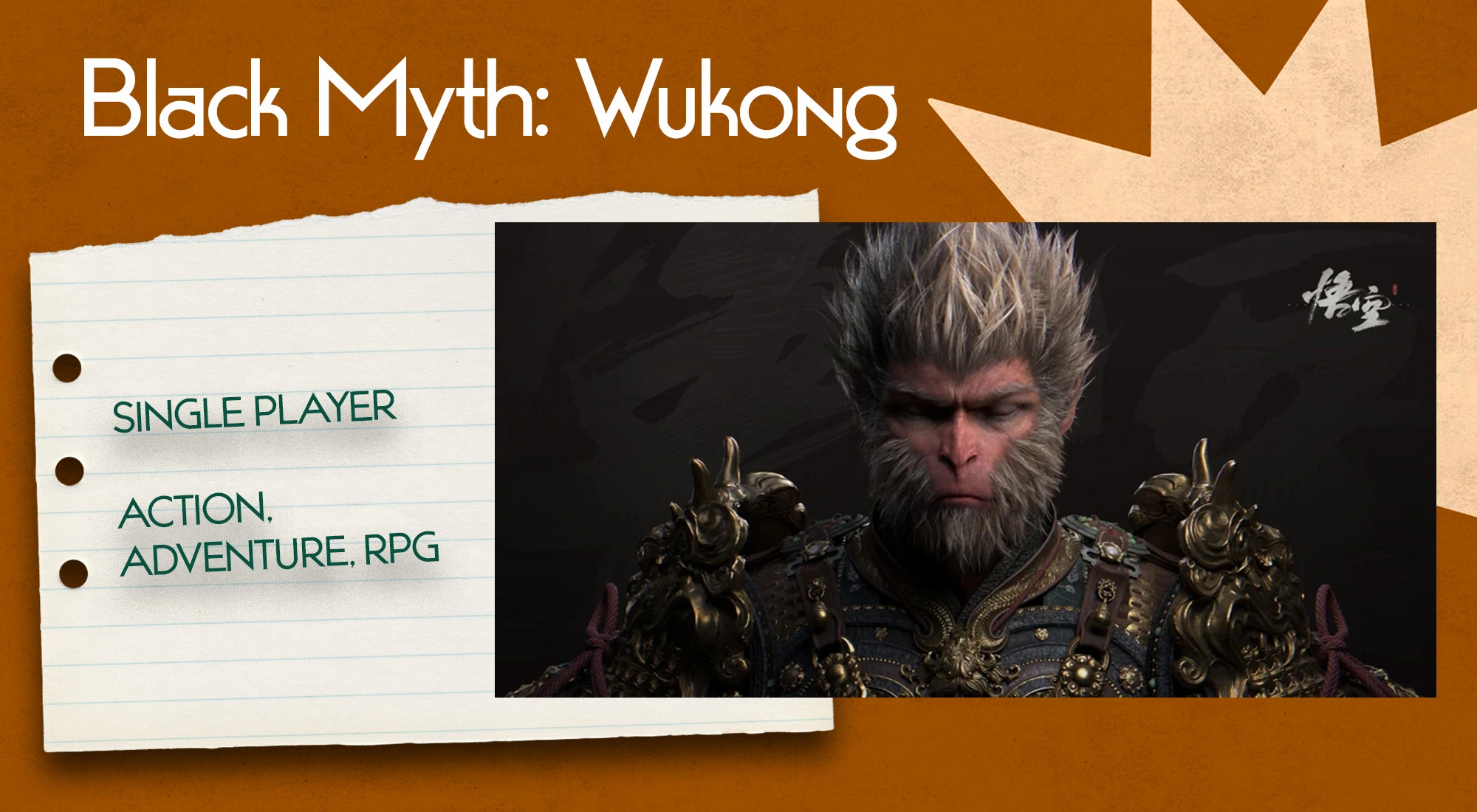 Released as a massive global phenomenon, Black Myth: Wukong is an action RPG deeply rooted in the 16th-century Chinese literary classic Journey to the West. Players control the Sun Wukong (the Monkey King), using his legendary staff and 72 transformations.The game became one of the fastest-selling video games of all time, proving that global audiences are eager to engage with authentic Eastern lore when packaged with breathtaking visuals and tight gameplay.
Never Alone / Kisima Inŋitchuŋa (Iñupiat Culture)
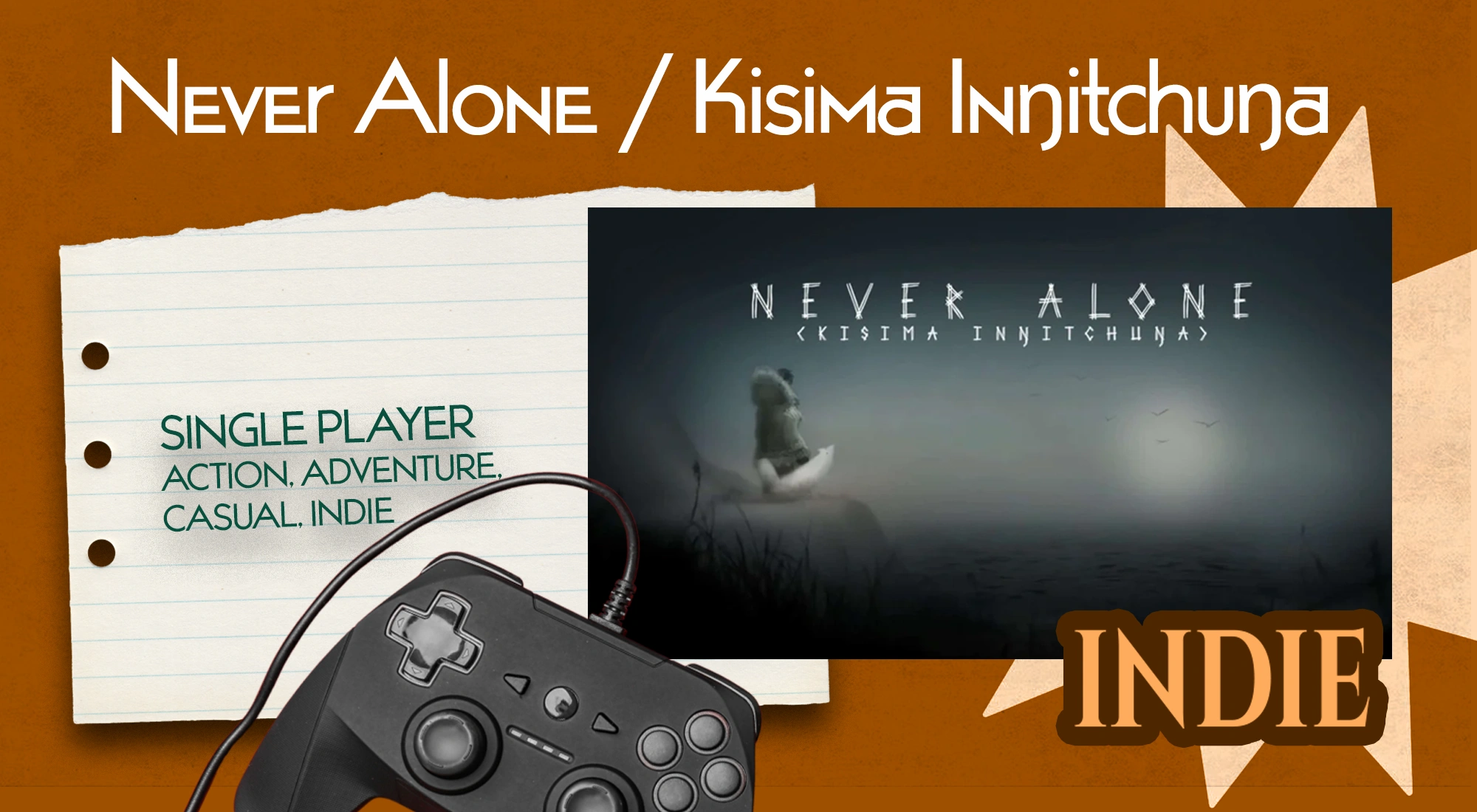 Developed in close collaboration with the Cook Inlet Tribal Council, Never Alone is an atmospheric puzzle-platformer based on traditional Alaska Native folklore.Players control an Iñupiat girl and an Arctic fox, navigating a harsh blizzard while interacting with ancestral spirits. The game even features unlockable mini-documentaries featuring community elders, setting a gold standard for how indigenous cultures can share their stories ethically and successfully.
Raji: An Ancient Epic (Indian Culture & Mythology)
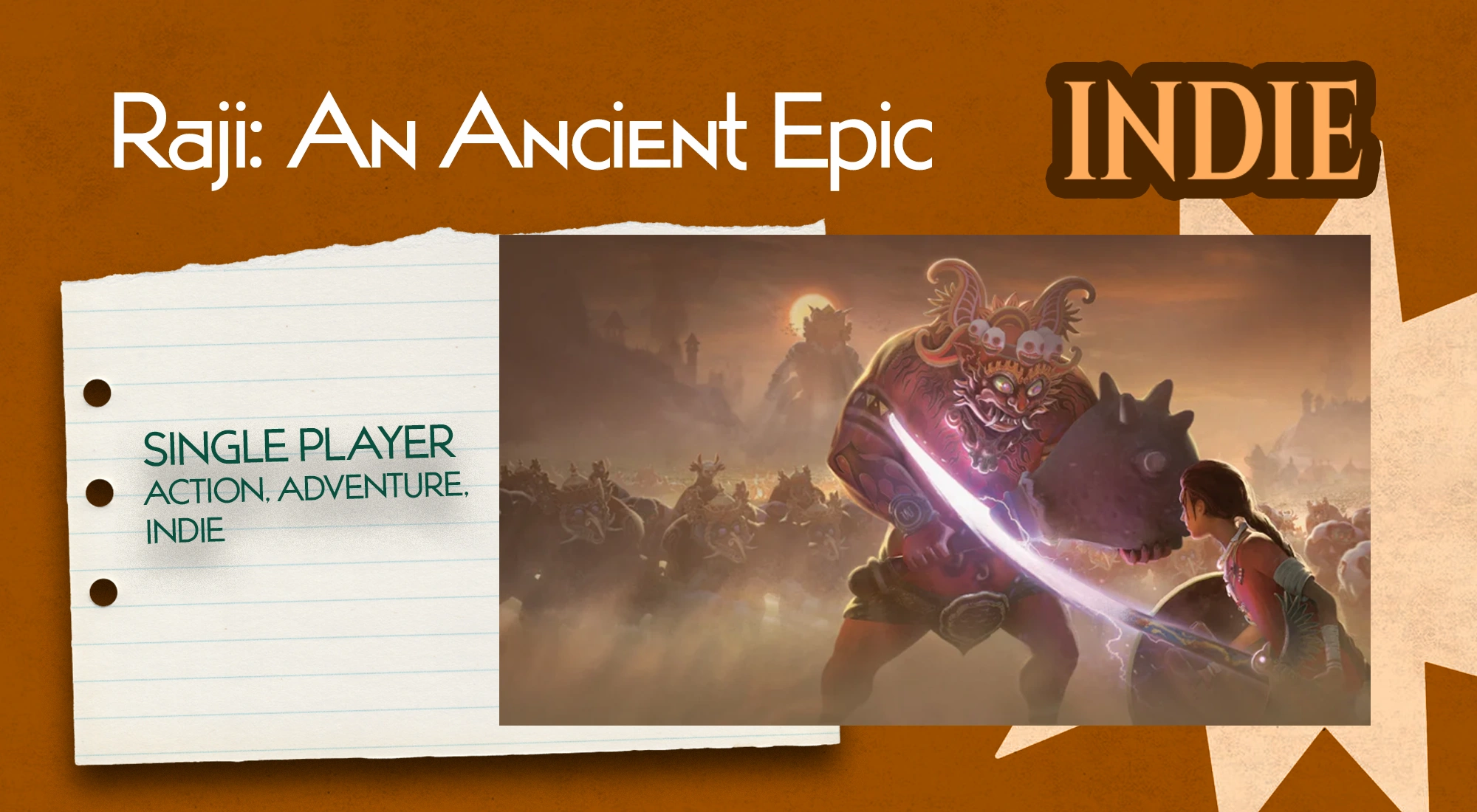 Created by Nodding Heads Games, an independent studio in India, Raji tells the story of a young girl chosen by the gods to fight off a demonic invasion.The game draws heavily from Hindu mythologies like the Mahabharata, and its art style is directly inspired by Pahari miniature paintings and the majestic, ornate architecture of Rajasthan. It received global praise for bringing a completely fresh aesthetic to the action-adventure genre.
Tales of Kenzera: ZAU (Bantu cultures)
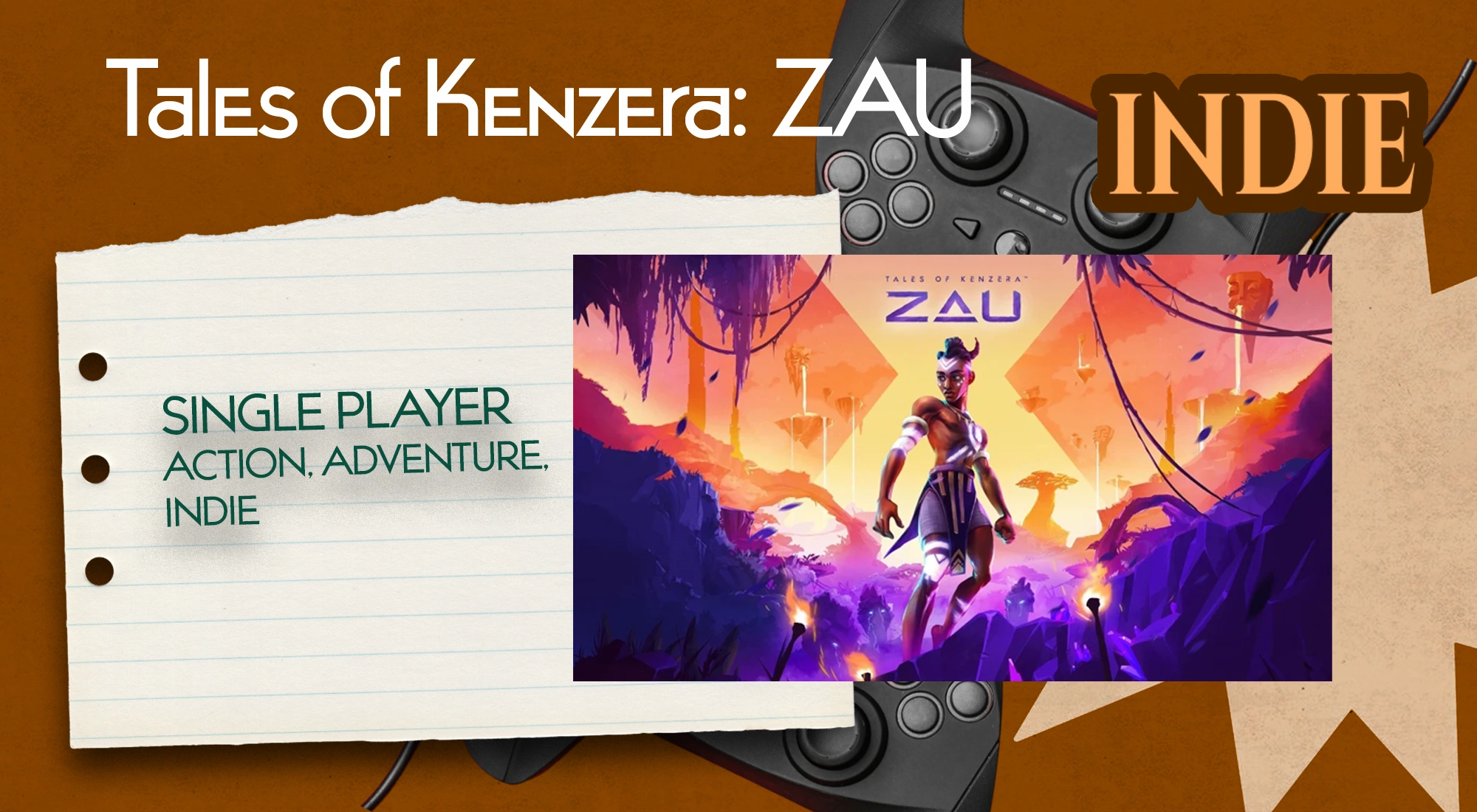 Video games have a unique power to turn deeply personal human experiences into interactive art. In the hit indie title Tales of Kenzera: ZAU, players step into the shoes of a young shaman navigating a beautiful, treacherous world inspired entirely by rich Bantu folklore. Built by Surgent Studios as a profound exploration of grief and ancestral connection, the game stands out as a prime example of how modern developers are using authentic cultural roots to reinvent classic gaming genres.
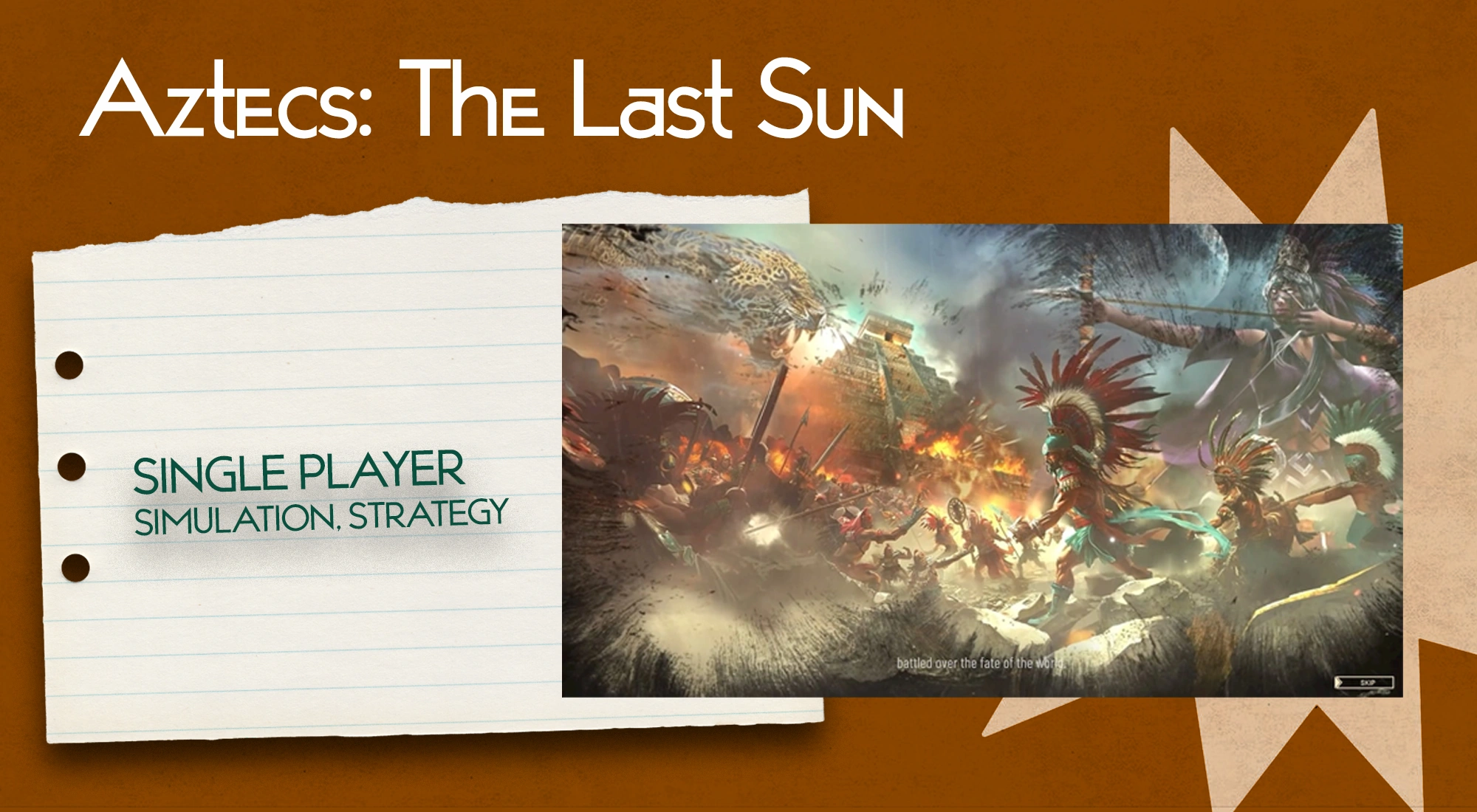
Aztecs: The Last Sun (Mesoamerican Culture & Strategy)
Aurion: Legacy of the Kori-Odan (West African Fantasy)
Developed by Kiro’o Games, the first video game studio in Cameroon, Aurion is a groundbreaking action RPG that coined the term “African Fantasy.” Rather than trying to fit African narratives into a Western RPG framework, the developers built a fictional universe entirely out of West African folklore, clothing, and spiritual concepts.The game follows a dethroned king and queen fighting to reclaim their land by unlocking the “Aurion”, a powerful collective cosmic energy drawing from their ancestors. It stands out as a massive success for local African game development, proving that indigenous-led studios can deliver world-class worldbuilding to a global audience.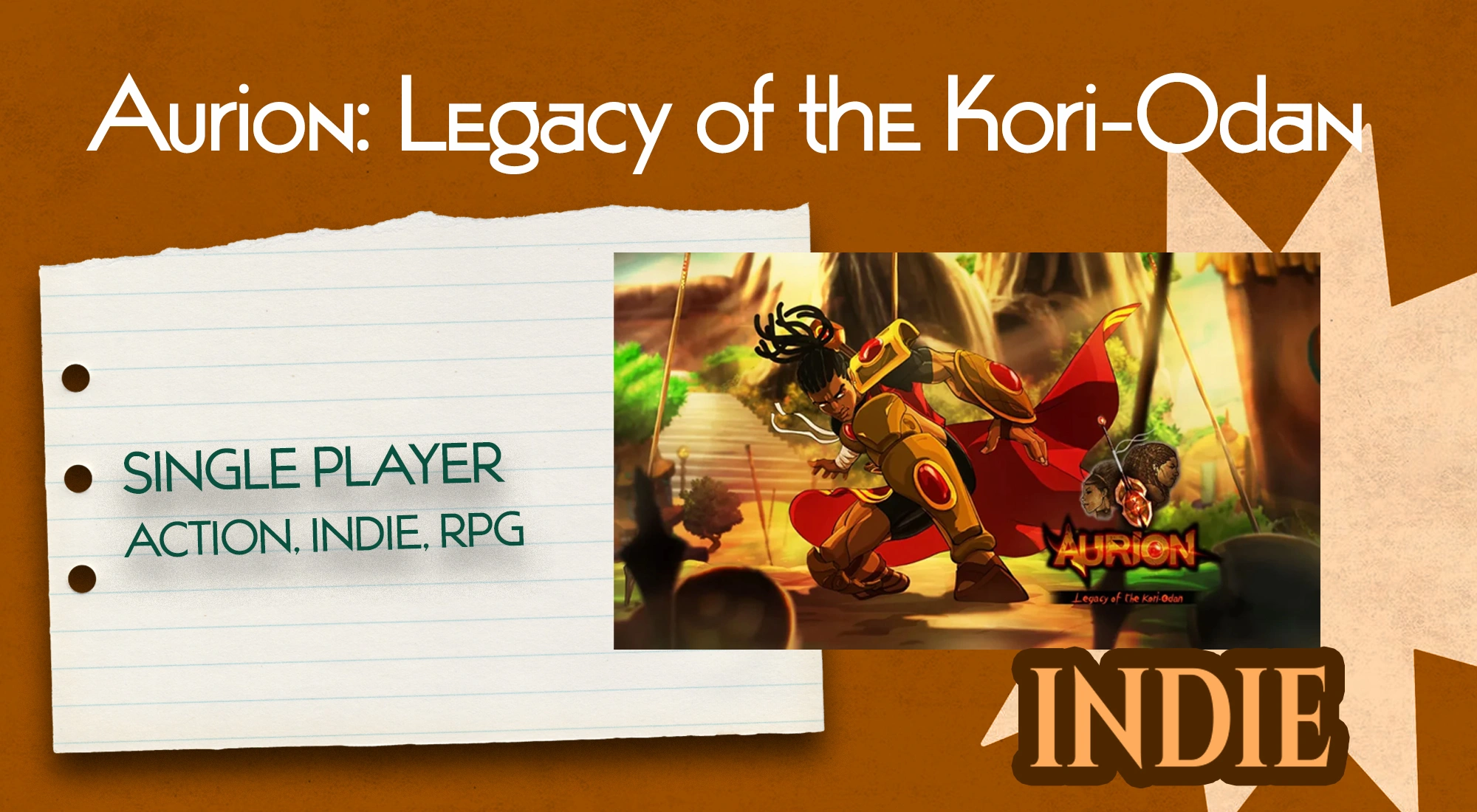
Conclusion: The Future of Gaming is Global
The massive success of games like Black Myth: Wukong, Tales of Kenzera: ZAU, and Never Alone proves that cultural roots are no longer just a niche gimmick; they are the future of interactive storytelling. Players are actively seeking out experiences that teach them something new, challenge their perspectives, and introduce them to worlds they’ve never seen before.As game development tools become more accessible worldwide, we can expect even more studios from Africa, Latin America, Asia, and indigenous communities to share their stories on the global stage. By embracing these authentic roots, the gaming industry isn’t just growing more diverse; it’s growing more imaginative, more soulful, and infinitely more exciting.Thoughts? Comments?We have a question…What is your favorite game that explores real-world history, mythology, or culture? Is there a specific folklore you would love to see turned into a video game next?
There was a time when “board game night” meant a grueling, three hour session of Catan or a quiet, brain-burning game of Scrabble. But over the last decade, a massive shift has occurred.
Party games have taken over the industry.
From casual living room gatherings to viral streaming hits on Twitch, low-barrier, high-interaction games are reigning supreme. But what is driving this massive renaissance? It comes down to two timeless, thrill-inducing psychological mechanics: the art of the Bluff and the fear of going Bust.
How they create instant fun? and how to design or choose games that perfectly capture that magic?
1. The Anatomy of a Modern Party Game

Modern party games have succeeded by completely eliminating “gamer friction.” They take away rulebooks and replace them with immediate social interaction. A successful party game typically relies on three core pillars:
- High Player Counts: They can easily accommodate 3 to 10+ players.
- Zero Downtime: Everyone is engaged simultaneously, whether it’s your turn or not.
- The Aftermath Effect: The game generates funny stories, arguments, and memorable moments that players talk about after the game ends.
Now let’s talk about mechanics in game and how are they displayed
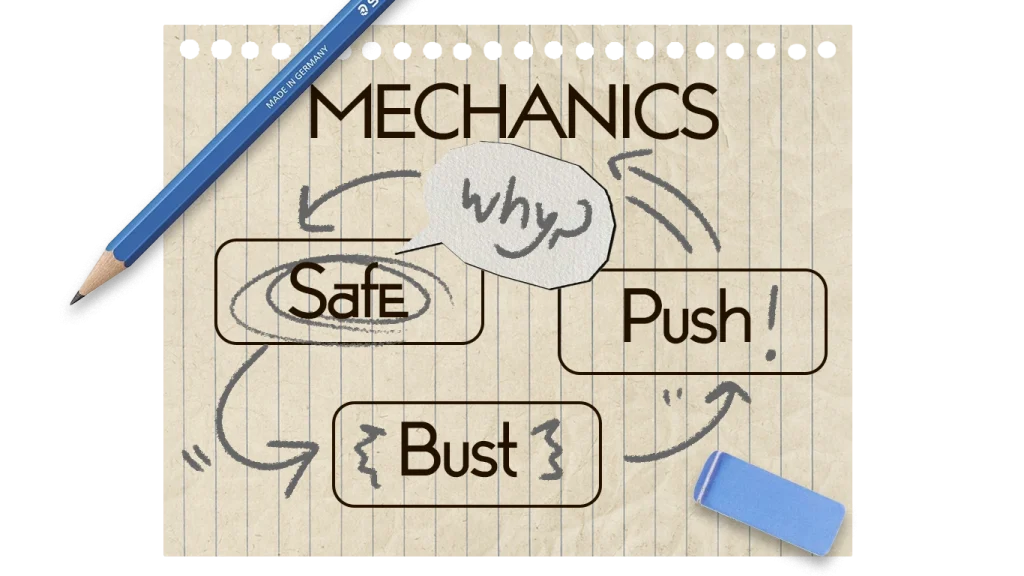
2. Mechanic #1: The Bluff (The Joy of Deception)
Bluffing games, often called Social Deduction games, turn your friends into liars, and that is exactly why they are so fun.
Games like Among Us, don’t require tactical math; they require you to read human behavior.
Basically you receive a Role, then you tell a Calculated Lie, you control/deflect Suspicion and had two options as a result: Betrayal / Triumph.
But why the system works so well and is making milllion dollar games?
Bluffing shifts the game from the components to the players. The board or the app is just a place to play; the real game is happening in the eye contact, the nervous stutters, and the wild accusations across the players. It creates an incredible stress when you successfully pull off a massive lie and get discovered, and an equally satisfying burst of laughter when you caught someone’s lie.
Mechanic #2: The Bust (The Thrill of Risk)
On the flip side is the “Bust” mechanic, fundamentally known as Push-Your-Luck.
In these games, players are given a steady stream of rewards, but they must choose when to stop. If they get greedy and push too far, they lose everything, they “bust.”
| Game Type | The “Safe” Choice | The “Push” Choice | The “Bust” Consequence |
| Dice / Token Fillers | Bank your current points and end your turn safely. | Roll again to double your score. | Roll a bad number and lose all points accumulated this turn. |
| Word / Trivia Timers | Pass a difficult prompt to the next person safely. | Keep trying to answer to steal extra bonuses. | The timer/bomb explodes on your turn, giving you maximum penalties. |
Why it works:
It triggers a primal risk-vs-reward response. Going “bust” isn’t frustrating like losing in a strategy game; it’s hilarious. The entire room erupts because the player did it to themselves.
3. How to Blend “Bluff” and “Bust” Into Your Game Nights
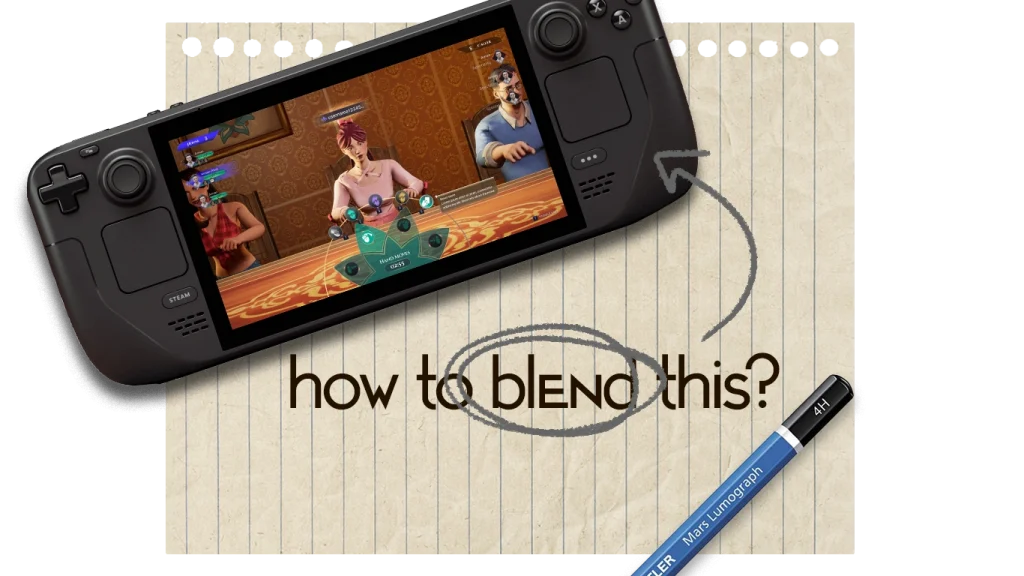
If you are looking to design a party game, it seems that the absolute sweet spot is combining both mechanics. When you mix social deception with high-stakes risk, you get perfection.
1.Keep Rules to a Single Sentence: If a player can’t understand how to play within 30 seconds, it’s not a party game. For a bluffing game, the rule should be as simple as: “You must put a card down, but you can lie about what it is.”
2.Create a Dramatic Reveal: Both mechanics need a grand finale every round. Whether it is flipping over a card to yell “I doubt it!” or watching a countdown timer slowly tick away, the moment of truth must be highly visual and loud.
3.Implement Catch-Up Mechanics: Never eliminate players early. If someone gets caught in a lie, give them a funny penalty or a minor setback, but keep them in the loop so they can still cause chaos for the leaders.
Conclusion: Driving the Social Connection
The rise of party games tells us something profound about modern entertainment: people are craving real, unscripted social connection. We don’t just want to stare at screens or look at isolated boards; we want to laugh, argue, trick, and cheer with our friends.
By building games around the tension of a clever mini-lie or the wild gamble of avoiding being seen as one, developers are creating the ultimate icebreakers for the modern world.
We want to keep improving the formula:
Are you a cautious player who banks points early, or do you always push your luck until you bust? What’s your go-to social deception game that we should try?
Let us know in the comments!